Day 1

Arrival – Tokyo Haneda
Arrival at Tokyo Haneda or Narita Airport
Welcome to Japan! – Yokoso 日本へようこそ!
Flight information: Tokyo ???
After clearing customs and immigration, transfer by private car to your ideally located hotel.
At your hotel, collect your tickets, IC Cards and the Pocket WiFi, which will allow you to have fast and unlimited internet access for the duration of your trip.
Spend the remainder of the day at leisure.
Day 2
Tokyo
Tokyo (東京) is a huge, wealthy and fascinating metropolis which brings high-tech visions of the future side by side with glimpses of old Japan, and has something for everyone.I t’s a feast for the senses, offering an incredible array of experiences for any visitor.
Most visitors to Tokyo will visit the most well-known sights – Asakusa, Shinjuku, Shibuya, Harajuku and the Meiji Shrine.
These are all of course worth visiting, but Tokyo also offer a multitude of choices for travelers looking for a less touristy and typical Japanese experience.
The real charm of Tokyo is more discreet. We can discover it in the maze of streets behind the main one, with a village atmosphere, miles away from urban life.
It is warm and simple, full of nice shops with clean design as well as charming cafes and small bars… Our local experts can attest, straying off the beaten tourist path is the best way to get a once-in-a-lifetime experience in Tokyo.
Tokyo is also a culinary paradise, offering a diverse array of flavors that will entice any visitor.
Private Car Tour in Tokyo
Set off on a private sightseeing car tour around Tokyo.
Our private guided tour by car gives you the complete freedom to explore each city at your pace with an itinerary that suits your interests.
Customize your time in Tokyo with our unique sightseeing tour, and never worry about missing out on anything the city has to offer.
By building your own Tokyo car tour, you can see the city the way you want to see it.
Experience more in one day than most do in a week!
Tour Highlights
- Explore the sights of Tokyo on a 8-hours private tour with a professional driver and knowledgeable guide
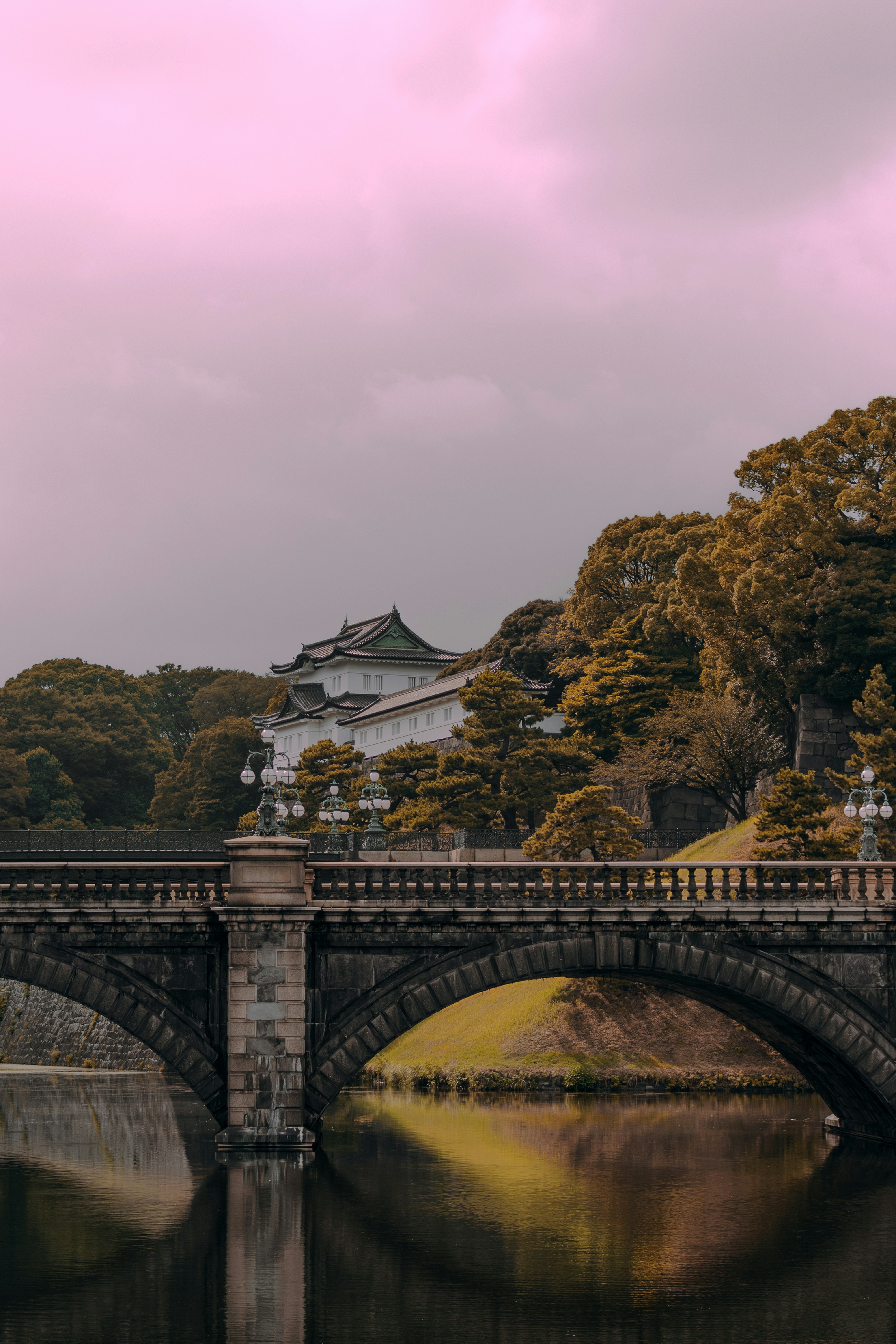
- The Imperial Palace East National Gardens
- Senso-ji, the oldest temple in Tokyo
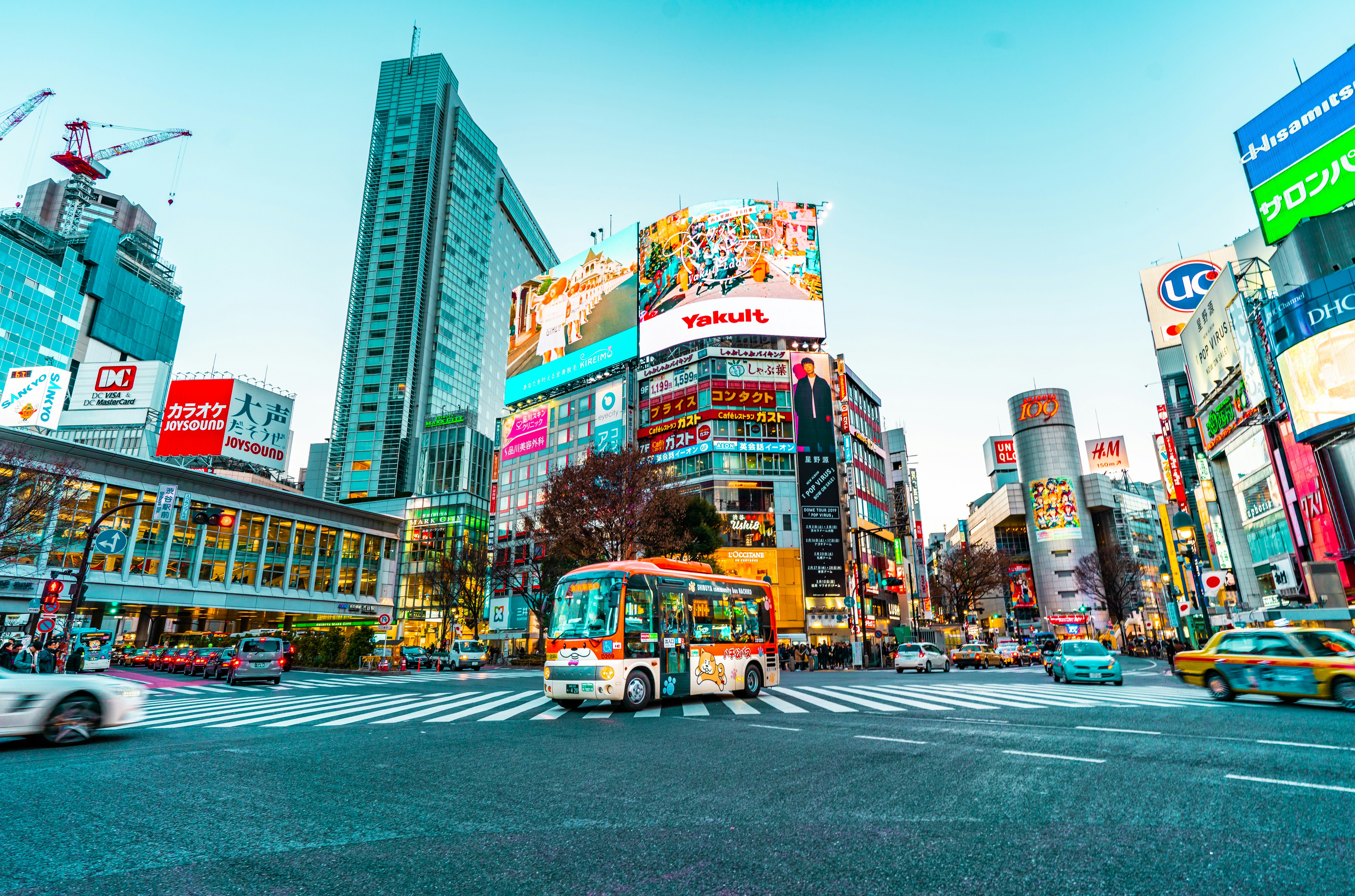
- Shibuya, Tokyo’s most colorful and busy districts
- Meiji-jingu, dedicated to the deified spirits of Emperor Meiji and his wife
- Gotoku-ji, believed to be the birthplace of the Maneki-Neko cat
- …
Day 3
Tokyo
Continue your visit of Tokyo.
There are still many places to discover: Ueno Park, Odaiba…
If you haven’t already, the main districts of Tokyo to visit are
- Asakusa and Senso-ji – Step back in time at this ancient Buddhist temple, one of Tokyo’s oldest and most significant.
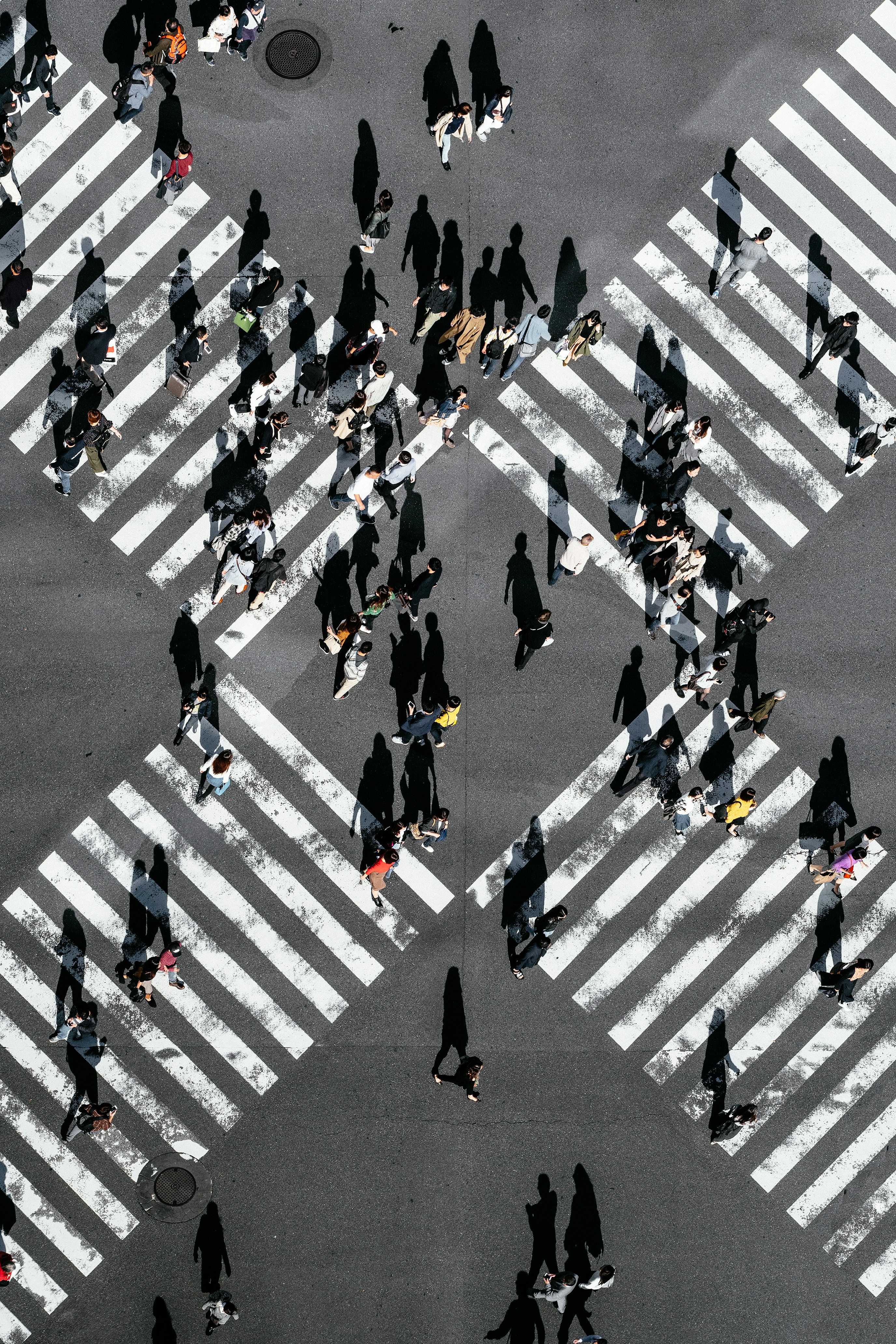
- Shibuya Crossing – Witness the organized chaos of the world’s busiest pedestrian crossing. It’s a sight to behold, especially at night with the dazzling neon lights.
- Harajuku and Meiji Jingu– A vibrant and iconic neighborhood in Tokyo, renowned for its unique fashion scene, youth culture, and trendy shops. And just a short walk from Harajuku Station, Meiji Jingu which offers a respite from the crowds.
- Akihabara – Indulge in your love for anime, manga, and all things otaku in this electronics and pop culture district.
- Tsukiji Outer Market – Immerse yourself in the bustling atmosphere of this world-famous fish market.
- Shinjuku – A dynamic and bustling district, known for its vibrant energy, towering skyscrapers, and diverse range of attractions. It’s a popular destination for both tourists and locals, offering everything from shopping and dining to entertainment and nightlife.
- …
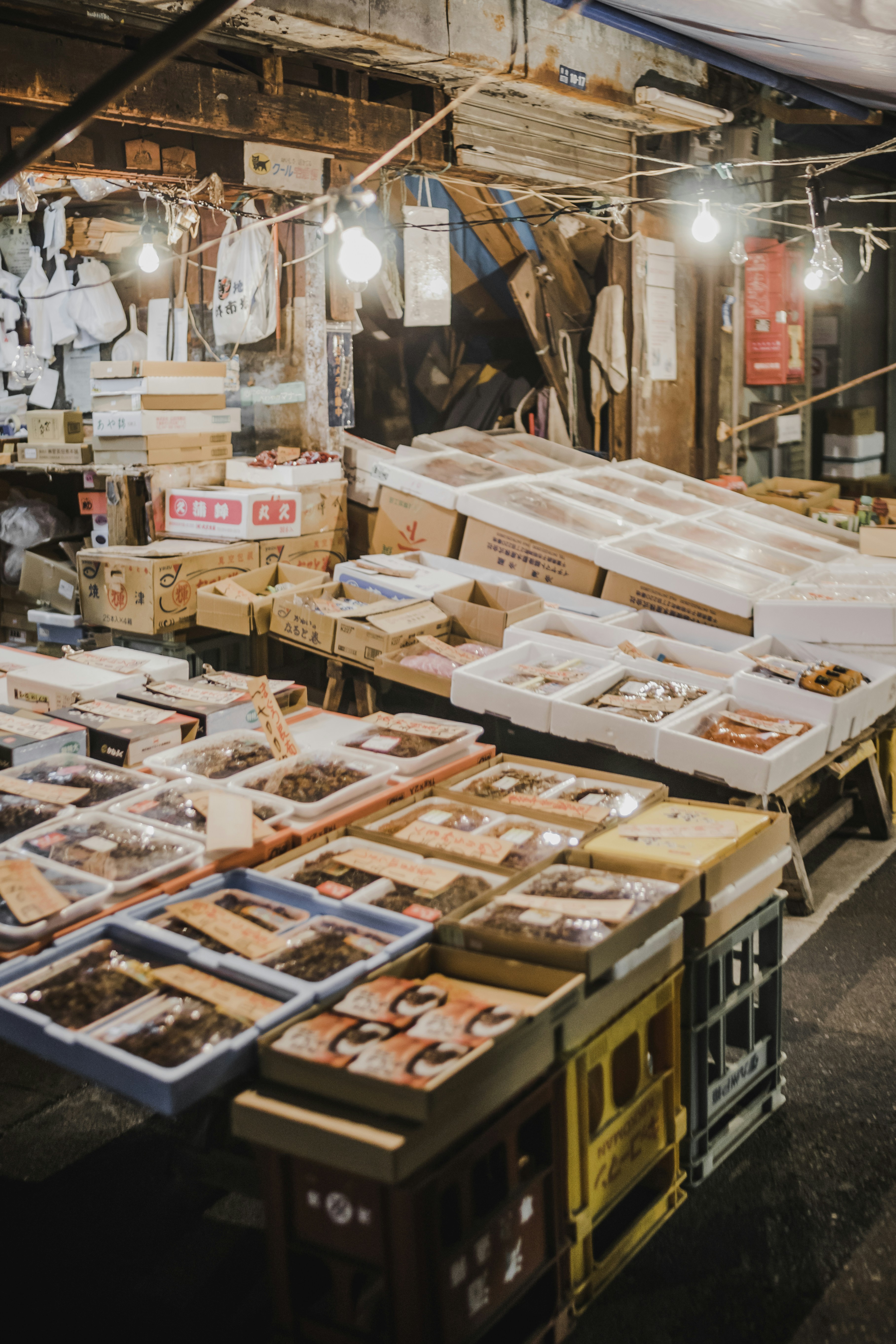
Toyosu Fish Market Insider tour with a sushi chef
After much controversy and delay the famous Tsukiji Market (築地市場), the biggest fish market in the world moved on October 11, 2018 a few kilometers from its former location to Toyosu in Tokyo Bay.
While the Tsukiji wholesale market was open to public after 11am, visitors are now not allowed down to the market floor at Toyosu market (豊洲市場). They are only able to view the action from the upper observation galleries.
Experience the excitement and energy of Tokyo’s fish market.
Then with our chef you will have the unique chance to enter the Toyosu market floor where only buyers are allowed into and get lost in the labyrinth of seafood stalls, do your shopping and choose the best ingredients for your lunch at the chef’s hidden restaurant.
You will then visit the Tsukiji outer market, followed by a lunch with your own chosen fish.
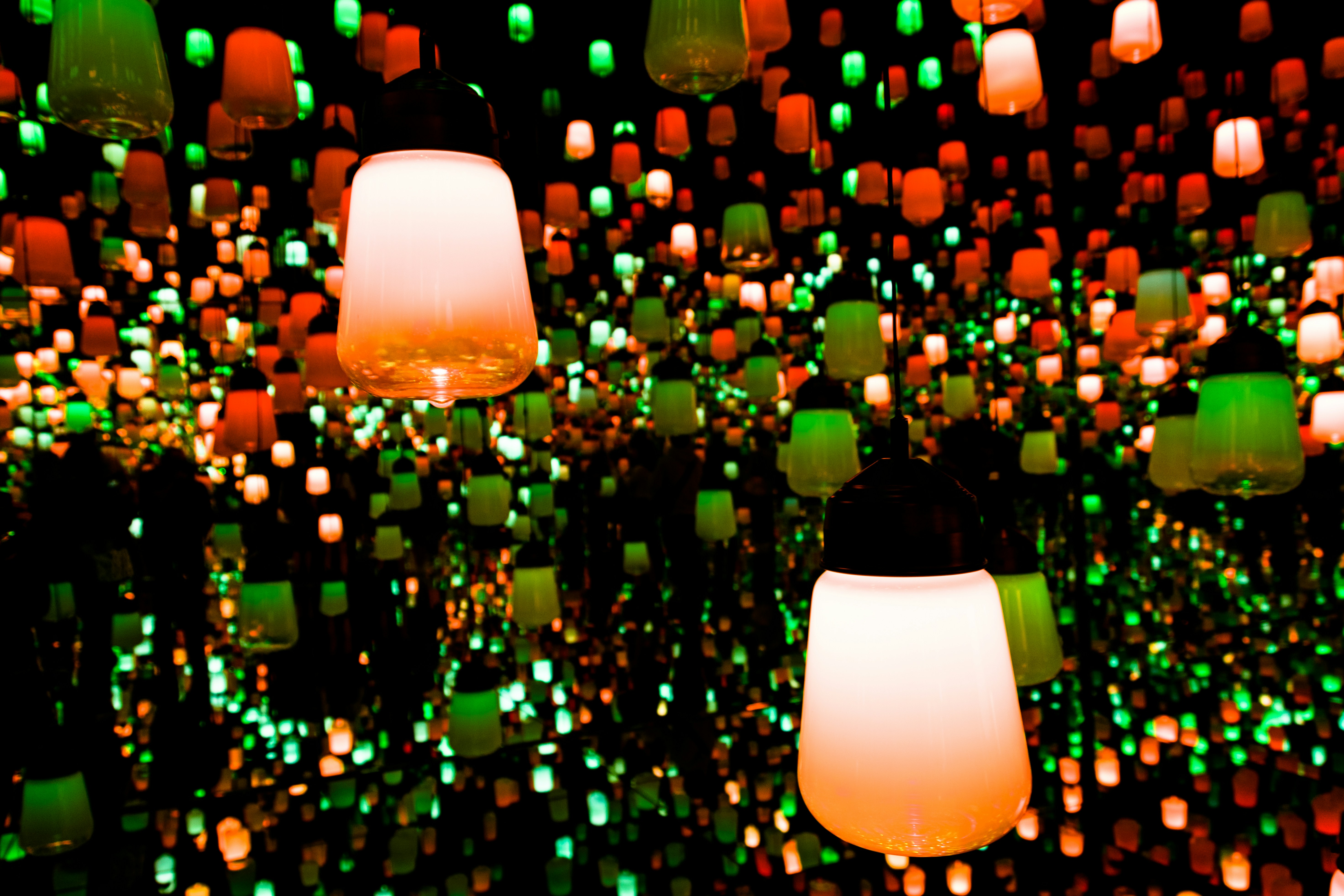
teamLab Borderless
Wander, explore and discover a truly borderless world at teamLab Borderless in Azabudai Hills!
With artworks based on the concept of “Cognitive Sculpture” teamLab’s new Borderless exhibition features a mixture of art pieces from the Odaiba exhibition, as well as several new pieces in their world without boundaries.
Explore teamLab’s borderless world of light and perception
Originally located in Odaiba, teamLab Borderless has relocated to Azabudai Hills in Roppongi. Similar to the Odaiba location, the new Azabudai Hills location shares the core concept of “borderless.”
Visitors are encouraged to immerse themselves in this borderless art and to wander, explore and discover the different spaces. The art also resonates around this “borderless” theme. The different pieces and spaces communicate, influence and sometimes intermingle with one another, forming an overarching borderless world.
Day 4
Tokyo / Hakone
Much of the area surrounding Hakone (箱根) is part of a national park with spectacular views of Mount Fuji (if the weather permit). It is a resort town that boasts a number of museums including the Hakone Open Air Museum with its Picasso exhibit.
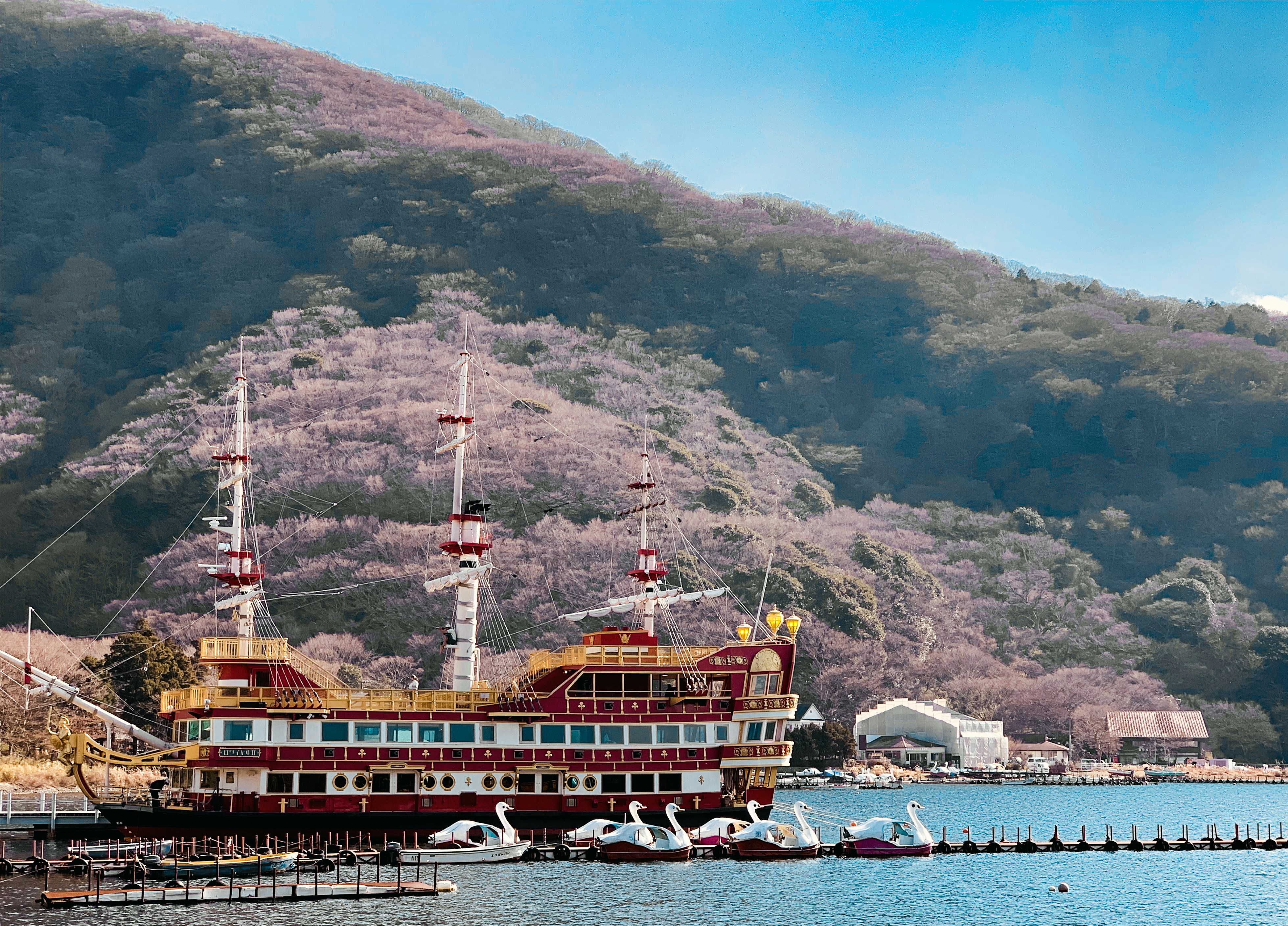
It is fun day-trip which combines rides on several trains or buses, funicular, cable car and enjoy a cruise across the peaceful Ashino-ko lake, surrounded by natural beauty and the view of nearby Mt. Fuji.
You will be charmed by the magnificent scenery of this spa resort, Lake Ashi and its view of Mount Fuji (in good weather!). Not forgetting the volcanic site of Owakudani, accessible by cable car.
During your stay :
- Relax in a hot spring (onsen): Hakone is renowned for its onsen, natural hot springs that are said to have healing properties. There are many different types of onsen to choose from, including ryokan (traditional Japanese inns) with private onsen, public onsen, and even open-air onsen with stunning views.
- Take a cruise on Lake Ashi: Lake Ashi is a beautiful lake in the Hakone caldera. You can take a leisurely cruise on the lake, enjoying the scenery and the fresh air. There are also pirate ship cruises available, which are a popular choice for families.
- Visit Owakudani: Owakudani is a volcanic valley with hot springs, fumaroles, and sulfur vents. You can take a ropeway up to Owakudani and enjoy the views of the valley. There are also several restaurants in Owakudani where you can try black eggs, which are boiled in the volcanic water.
- Explore the Hakone Open-Air Museum: The Hakone Open-Air Museum is a sculpture park with over 700 works of art by Japanese and international artists. The museum is located in a beautiful setting with views of Mount Fuji.
- Visit Hakone Shrine: Hakone Shrine is a Shinto shrine located on the shore of Lake Ashi. The shrine is dedicated to the goddess of Mount Fuji and is a popular spot for weddings and other ceremonies.
Day 5
Hakone / Kyoto
Transfer to Odawara, then take a shinkansen to Kyoto.
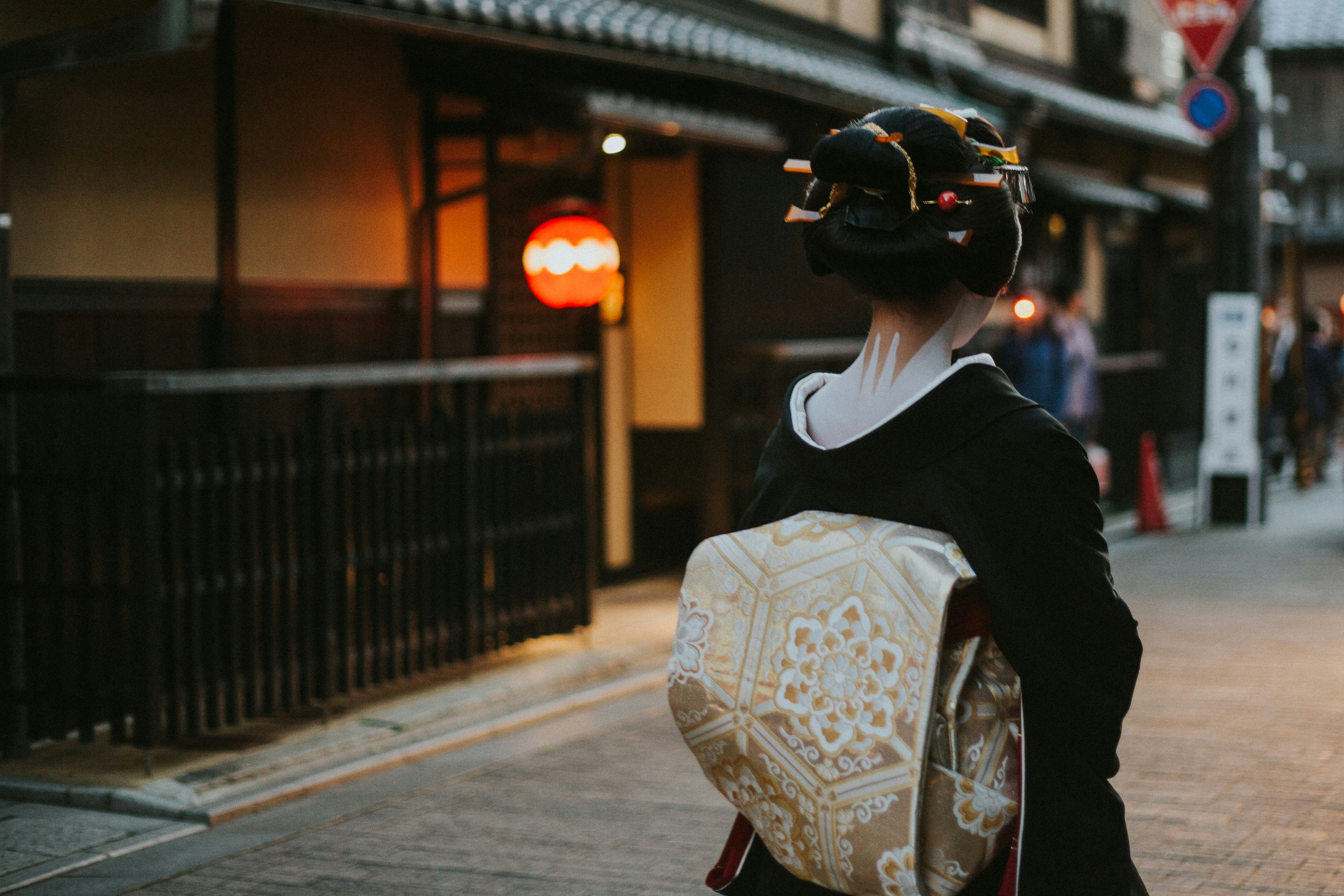
In the evening with your guide, you will visit Gion, part of the Higashiyama or “Eastern Mountain” area of Kyoto and one of the famous geisha (called “geiko” in Kyoto) districts in the city, stretching from Yasaka Shrine in the east to the Kamo River in the west, and from the Shirakawa Canal in the north to Kenninji Temple in the south.
Catching a glimpse of a geiko, with her white face and beautiful kimono, rushing to an appointment in the narrow streets of Kyoto’s Gion district is a moment of pure magic.
Day 6
Kyoto
Kyoto (京都) – literally, “Capital City” – has been called a variety of names through the centuries – Heian-kyō “Capital of Peace and Tranquillity”, Miyako “The Capital”, and Saikyō “Western Capital” was obviously the capital of Japan for over a millennium, and has the reputation of being its most beautiful city.
However, visitors may be surprised by how much work they will have to do to see Kyoto’s beautiful side.
The first impressions will be of the urban sprawl of central Kyoto, around the ultra-modern glass-and-steel train station, which is itself an example of a city steeped in tradition colliding with the modern world.
Unlike Tokyo, Kyoto was able to keep the customs and traditions of the Old Japan, as it was spared from the bombing of the Second World War and was never affected by earthquakes and other natural disasters.
Nonetheless, the persistent visitor will soon discover Kyoto’s hidden beauty in the temples and parks which ring the city center, and find that the city is boasting a plethora of must-see attractions and has much more to offer than immediately meets the eye.
Also Kyoto, as a former capital with a rich history, is a haven for food lovers, boasting a unique and diverse culinary scene.
Whether you’re interested in history, culture, nature, or food, Kyoto has something to offer everyone.
Private Car Tour in Kyoto
Set off on a private sightseeing car tour around Kyoto.
Our private guided tour by car gives you the complete freedom to explore each city at your pace with an itinerary that suits your interests.
Customize your time in Kyoto with our unique sightseeing tour, and never worry about missing out on anything the city has to offer.
By building your own Kyoto car tour, you can see the city the way you want to see it.
Experience more in one day than most do in a week!
Tour Highlights
- Explore the sights of Kyoto on a 8-hours private tour with a professional driver and knowledgeable guide
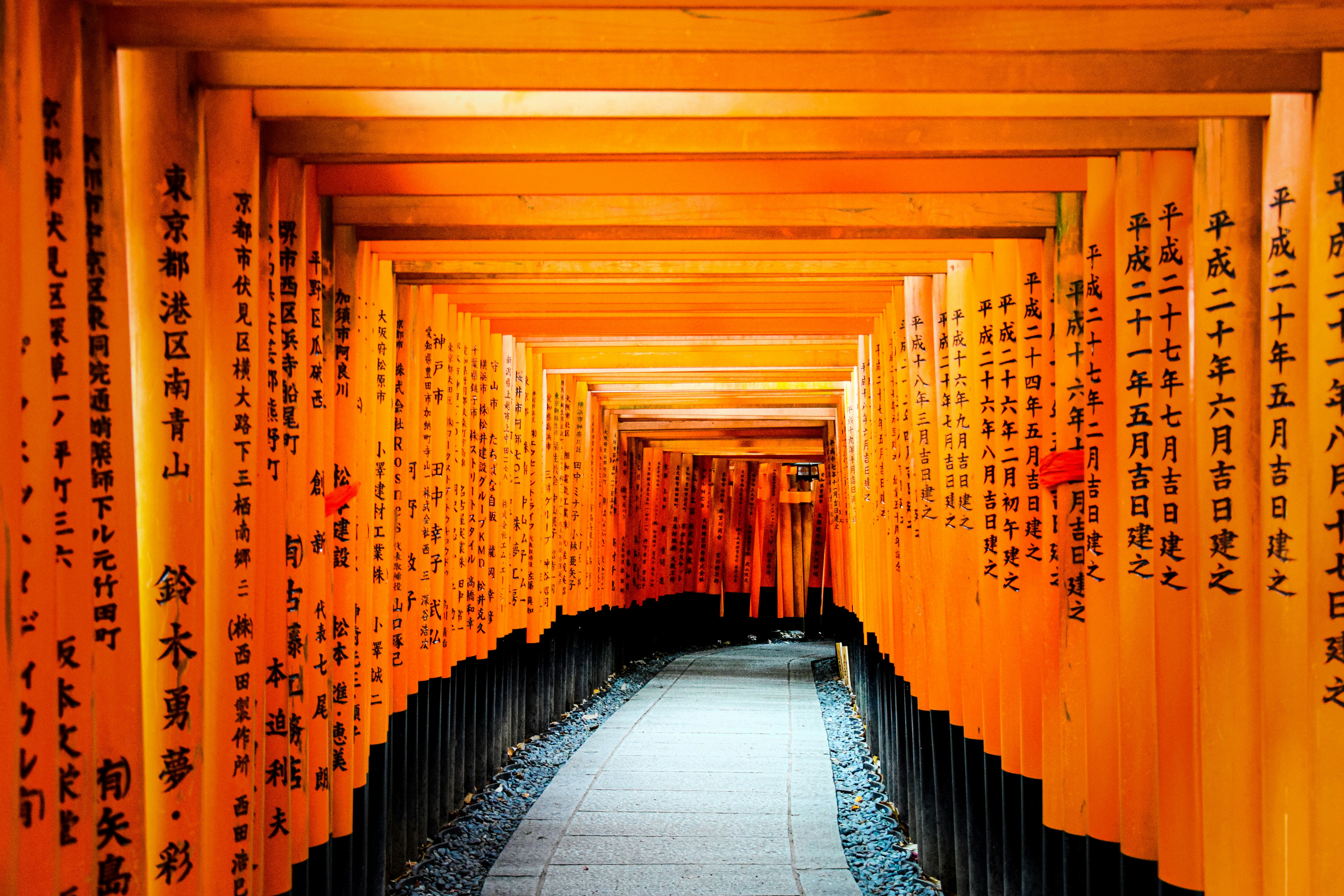
- Fushimi Inari, dedicated to the god of rice and sake
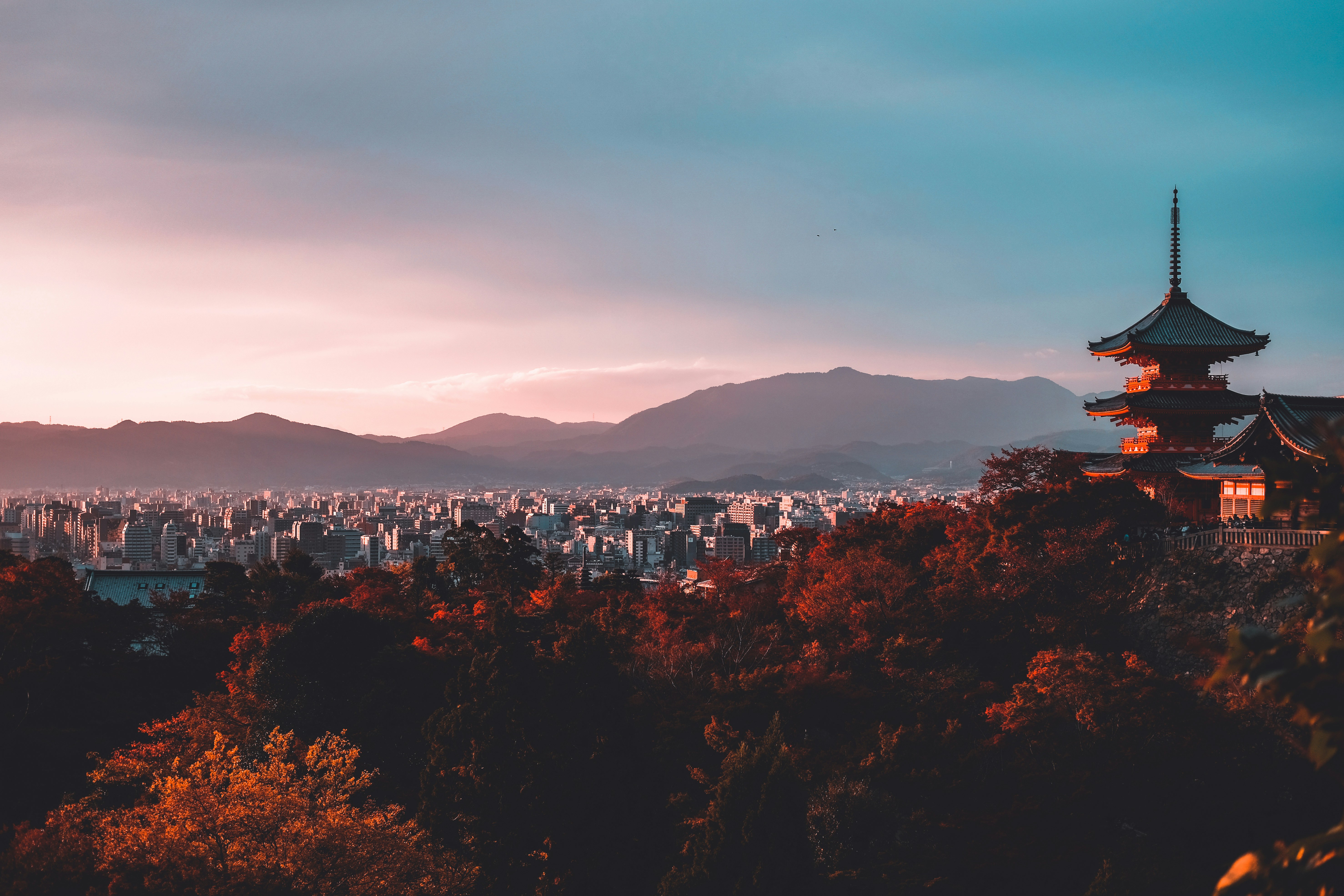
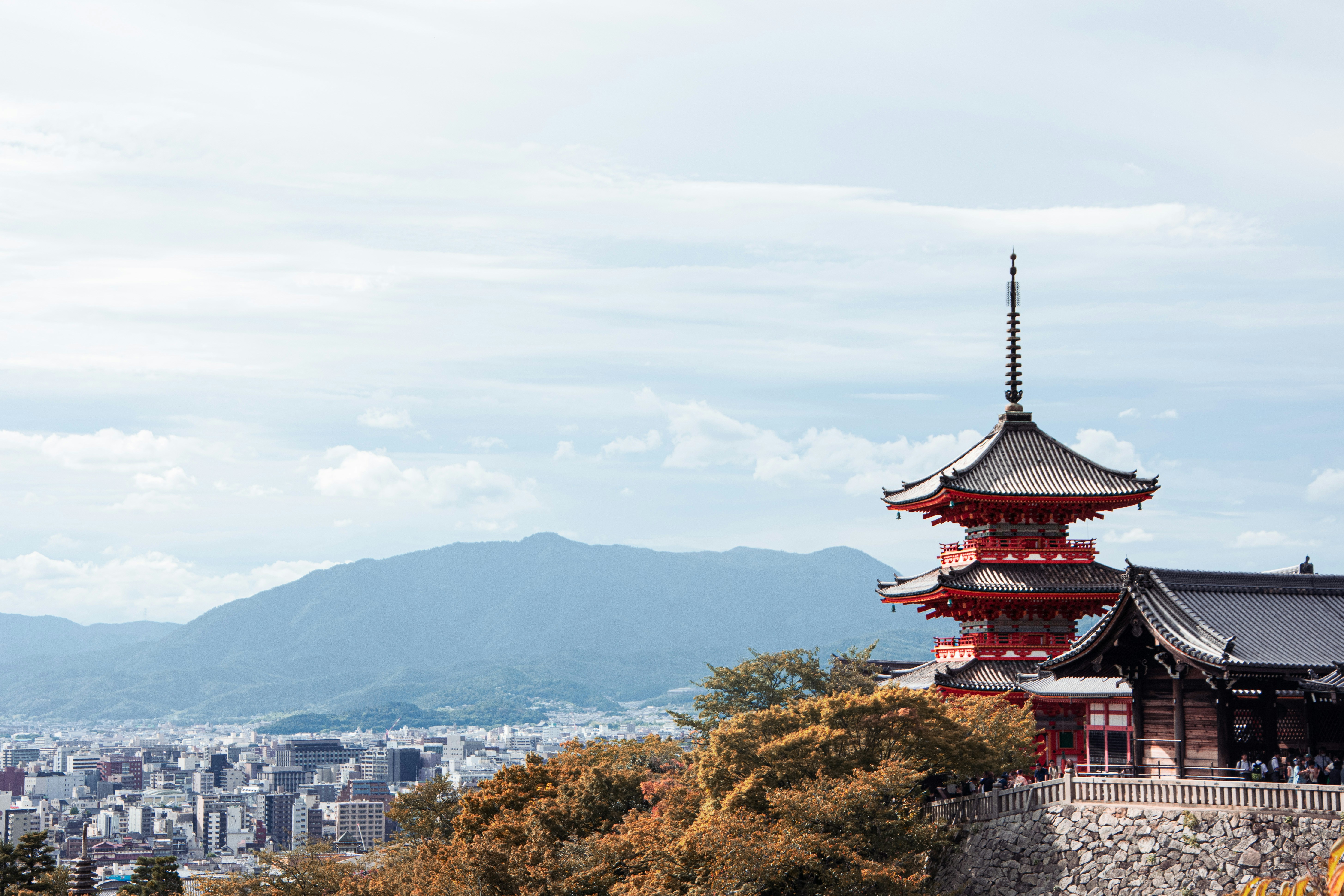
- Kiyomizu Dera, with its commanding view of the city
- Kinkaku-ji, the Temple of the Golden Pavilion
- Arashiyama, river, bamboo and bridge in perfect harmony
- Nijo-jo, a world heritage site and former imperial villa
- …
Maiko Performance with Kaiseki Dinner
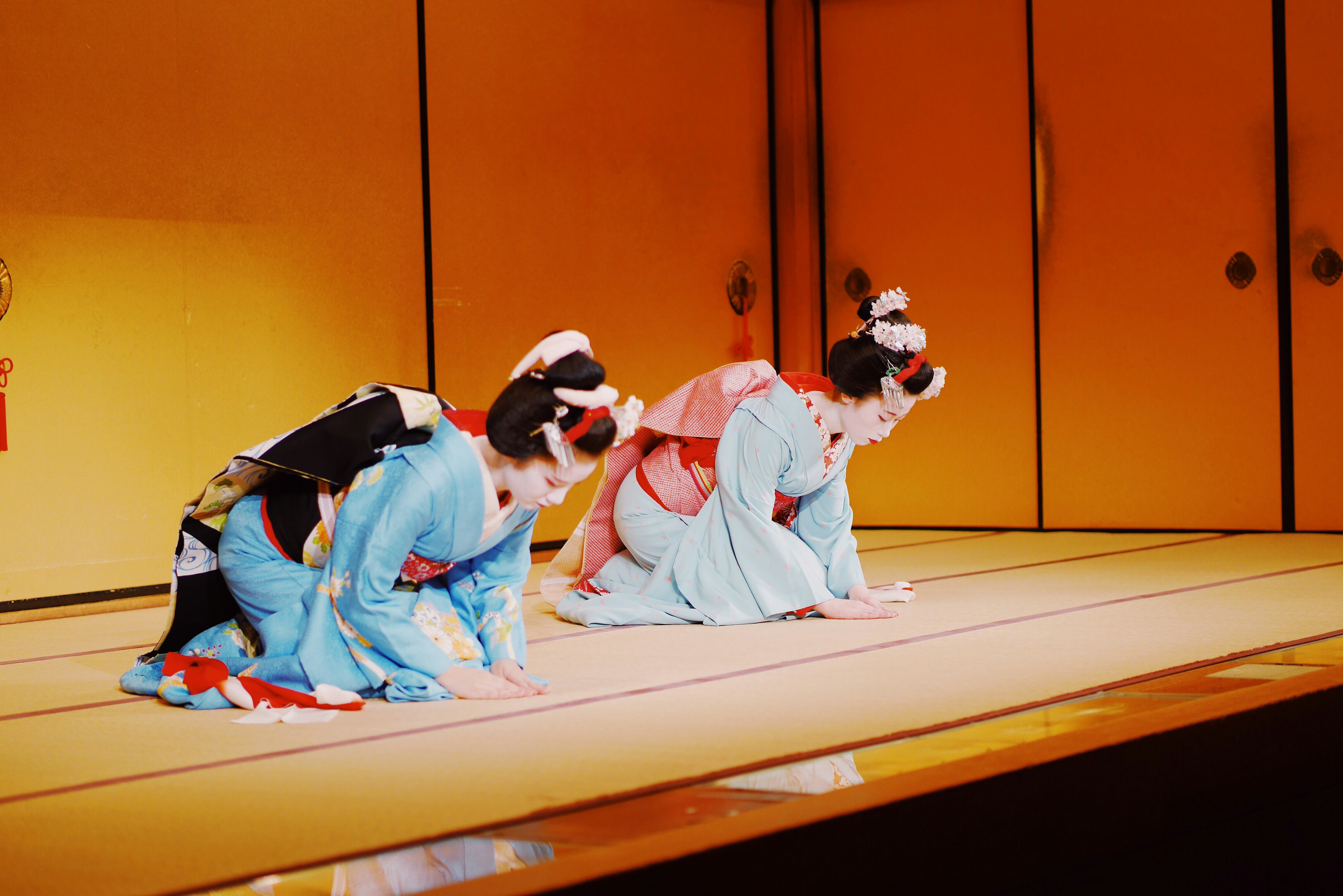
Experience the true, authentic taste of traditional Japan with a private Kaiseki Dinner with Geisha.
The history of the geisha (芸者) dates back to the early 1.600s during the Edo Period, when the Japanese government was very focused on maintaining morality.
This meant that entertainers and prostitutes were then allowed to work if they were licensed and in a specific area of a city, such as the historic Gion district of Kyoto.
They are professional entertainers and social companions, skilled in the arts of conversation, music, dance, literature and tea ceremony.
In Kyoto, Geiko (芸子) is the exact term for “geisha.” They have completed each stage of their training and may charge full price to attend parties or engagements.
In a Machiya (町屋/町家), a traditional wooden townhouses in the historical capital of Kyoto and registered as National Cultural Heritage in 1999, spend a special party time or ozashiki-asobi with geisha or maiko (apprentice geisha).
An ozashiki-asobi is like a large, traditional type of party. “Ozashiki” is the name of the type of room the party takes place in at an ochaya, and “asobi” means “game” in Japanese.
You can combine the dinner with additional experience, Kitsuke (Japanese kimono) with hair-styling, make-up and photo-shooting for an additional cost.
Day 7
Kyoto
On this 2nd day, after having enjoyed the breakfast at your hotel, continue the exploration of Kyoto.
Dedicate a full day to explore the northwest of the city, where you will find three of the most famous temple of the ancient capital.
- Nina-ji
- Ryôan-ji
- Golden Pavilion (Kinkaku-ji)
Don’t miss Arashiyama, this little corner of greenery crossed by the Katsura-gawa river, which will enchant you with its authentic atmosphere. Symbol of the district: the famous Togetsu-kyo bridge offers a unique view of the river and its gorge.
You could enjoy the “Sagano Romantic Train“, the steam train of the Sagano line offers a 25-minute journey along the banks of the Hozu River and Hozukyo ravine.
Or the Hozugawa River Cruise, a sightseeing boat rides down the Hozugawa River from Kameoka to Arashiyama. The cruises utilize traditional style, flat-bottomed boats piloted by boatmen with oars and bamboo poles. The boats take about two hours to leisurely make their way down the river and are a relaxing way to see the natural scenery of the largely undeveloped ravine.
Day 8
Kyoto / Nara / Osaka
After the breakfast you will visit Nara.
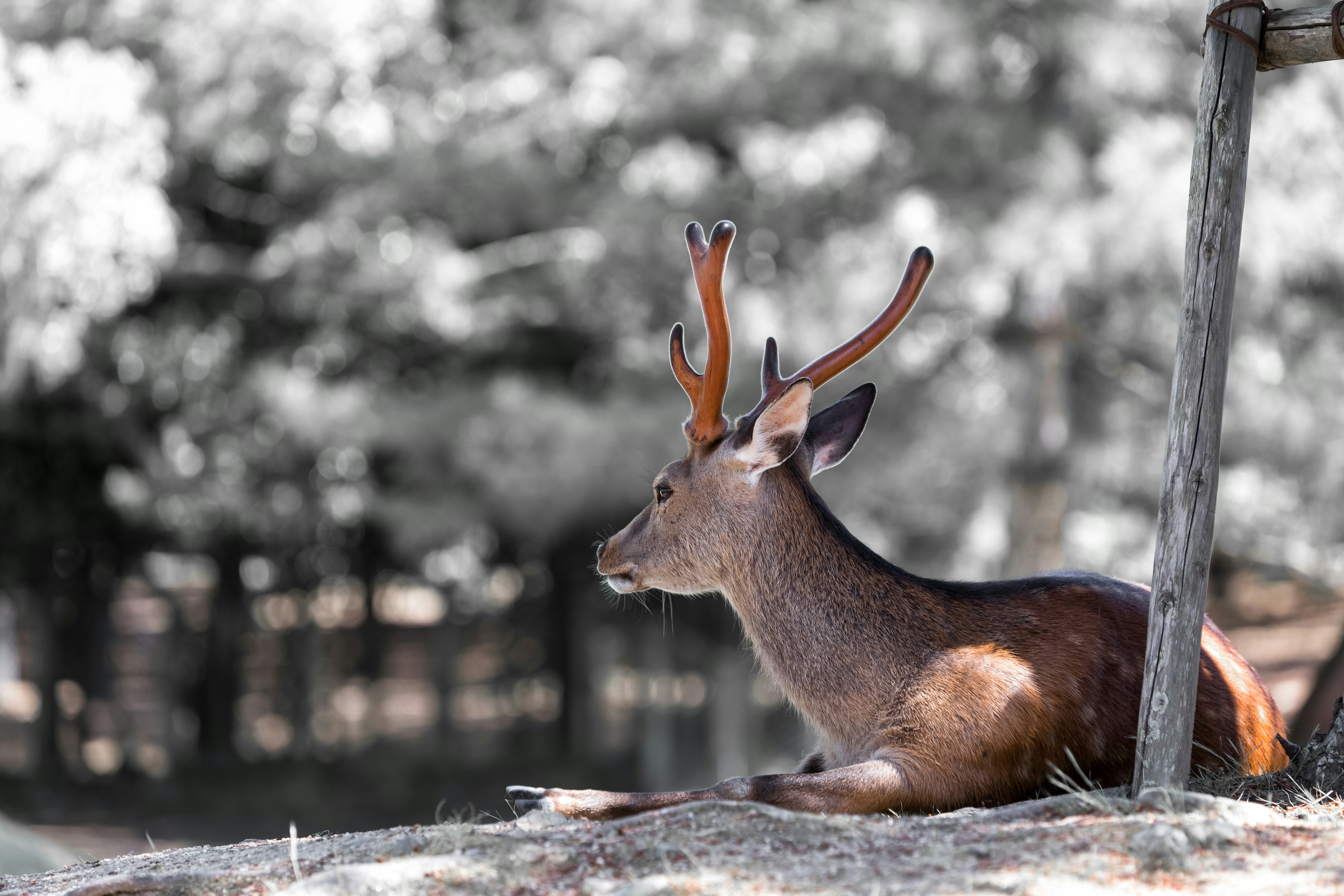
Nara (奈良) was in the 8th century the first fixed capital of Japan, under the name of Heijo-kyo, as before, according to the Shinto beliefs, death was impure and it was necessary to destroy everything that was related to the Emperor after his death.
Often overshadowed by its more famous neighbor Kyoto, Nara is omitted from many tourist’s itinerary. However, Nara is home to many important historical sites, such as Todai-ji Temple, the world’s largest wooden structure, with its Daibutsuden (Hall of the Great Buddha).
Nara today preserves its main sights much more attractively than Kyoto within Nara Park and its Sacred Deer and neighborhoods like Naramachi.
Many travelers go to Nara to see the statue of the Great Buddha and the sacred deers, but Nara’s rich heritage also spans ancient monuments, some of Japan’s oldest temples and shrines and sacred mountain trails – Nara is the starting point of one of the World Heritage Kumano Trails.
After having explored the city of deer, your next destination will be Osaka.
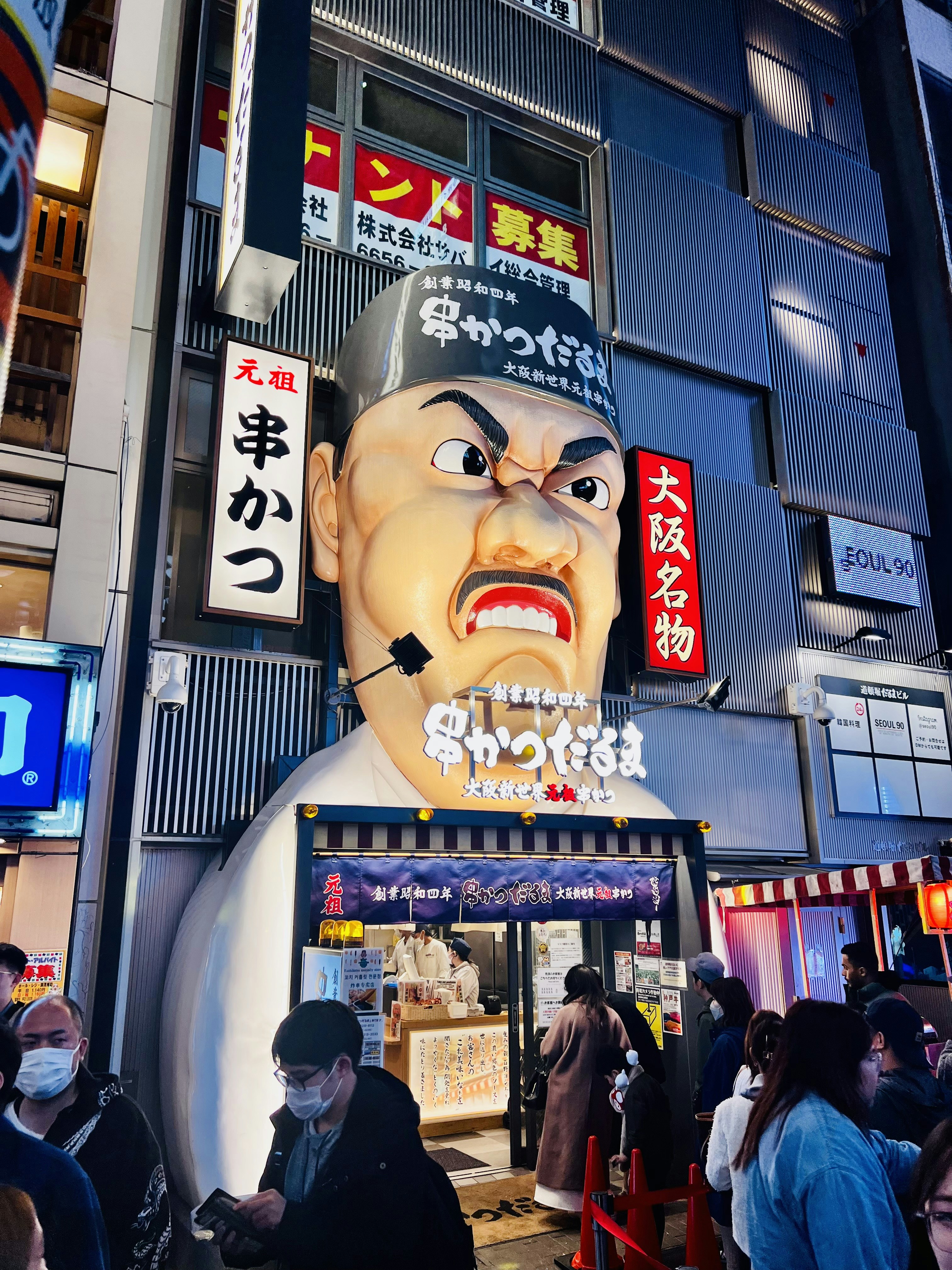
Spend the evening in the Dotonbori Area: The Bright Heart of Osaka and Discover the Must-Try Osaka Ramen Shops.
The lively entertainment area of Dotonbori (道頓堀) is Osaka’s most famous tourist destination and renowned for its gaudy neon lights, extravagant signage, and the enormous variety of restaurants and bars.
Day 9
Osaka
Formerly Naniwa-kyo (難 波 京), Osaka (大阪), which was the capital during the reign of Emperor Kotoku (597-654), is the third largest city in Japan after Tokyo and Yokohama.
Osaka, is a vibrant and exciting city that offers a unique blend of rich history, modern architecture, delicious food, and warm hospitality.
Often underestimated, Osaka is nevertheless the capital of Japanese cuisine and a city for gourmets who is proud of its reputation as kuidaore (eat until you drop).
We never get bored in Osaka and its real treasures are in its bustling street life, its arcades, markets and and this is after dark Osaka really comes to life, when locals come out for tasty eats, sake and good times.
Ideally located in Japan, less than an hour from the historical cities of Kyoto, Nara and Himeji, it is a great place to stay and visit the other major sites nearby.
Whether you’re captivated by history, enthralled by entertainment, or tantalized by culinary delights, Osaka promises an unforgettable experience.
Himeji Castle, Garden & Sake Brewery with a Local Guide
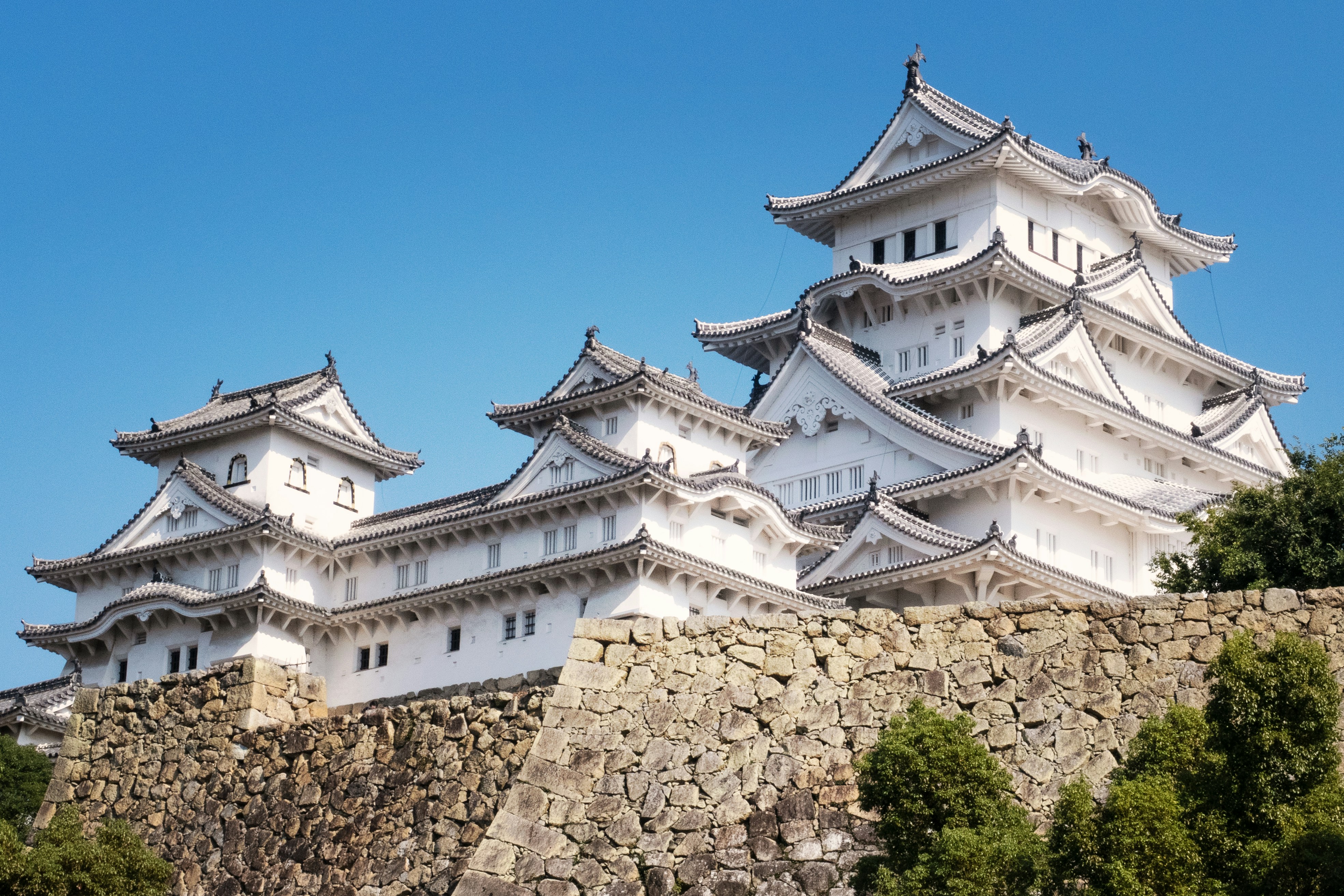
Himeji (姫 路) is a small town located at the western end of the Kansai region famous for its wooden castle. Built in the 17th century, Himejoi-jo, is nicknamed Hakurojo or Shirasagijo (White Heron Castle) because of its brilliant white plastered walls exterior.
Located in the shadow of the castle, Koko-en is a modern garden opened in 1993. Actually gardens is more accurate, as there are nine different types of garden, all based on styles popular during the Edo Period (1603-1868).
Explore the sights of Himeji on a 5-hours private tour with a professional knowledgeable guide.
Tour Highlights
- Explore Himeji’ top sites with a private tour guide
- Himeji Castle, Japan’s most spectacular castle
- Kokoen Garden and its 9 separate strolling-style gardens
- Enjoy a meal at the quaint wooden Nadagiku Sake Brewery
- Option: Mount Shosha and the athmospheric Engyoji
Hiroshima & Miyajima with a Local Guide
Capital of the prefecture of the same name, Hiroshima (広 島) is the most important city of the Chugoku region. It was founded in 1589 on the north coast of the Seto Inland Sea (Setonaikai) by the feudal lord Terumoto Mori.
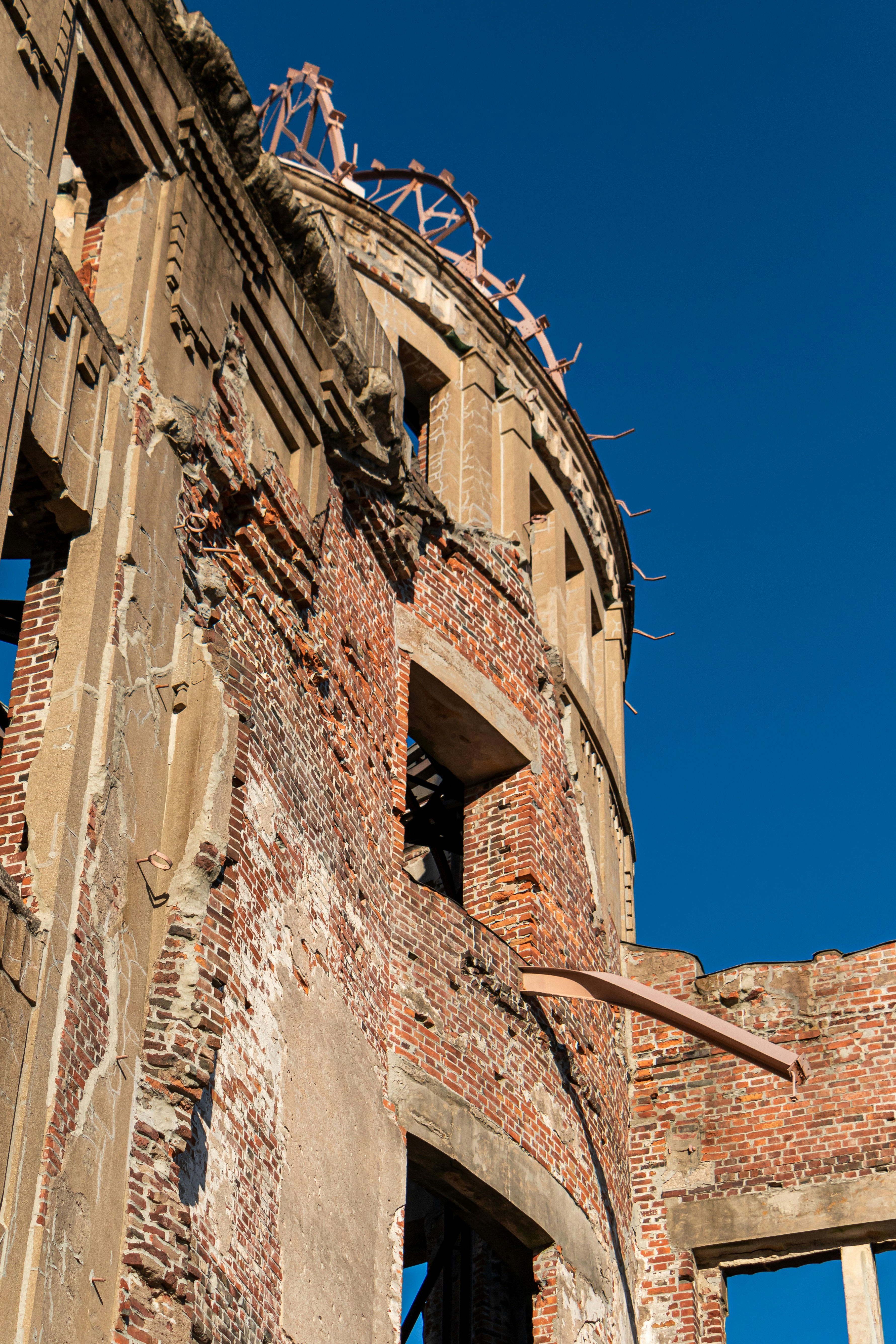
Besides the tragedy on August 6, 1945, Hiroshima is also known for its rich history, culture, and identity.
You will combine a mix of World Heritage Sites, insight into Japanese history and culture, and a relaxed excursion to the picturesque Miyajima (宮島) with the famous ‘floating’ torii gate which at high tide seems to float on the water. A sight ranked as one of Japan’s three best views.
Explore the sights of Hiroshima & Miyajima on a 8-hours private tour with a professional knowledgeable guide.
Tour Highlights
- Explore Hiroshima & Miyajima’ top sites with a private tour guide
- Hiroshima Peace Memorial Park
- Atomic Bomb Dome
- Hiroshima Castle
- Itsukushima Shrine
- Daishoin Temple
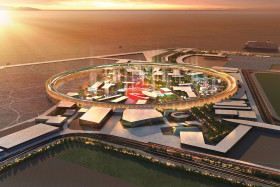
Expo 2025 Osaka
From April 13 to October 13, 2025, Osaka, on the man-made island of Yumeshima, will host World Expo 2025 under the theme of “Designing the society of the future and imagining our life of tomorrow”.
The 2025 World Expo in Osaka
Osaka was chosen to host the World Expo in 2025 by the member states of the Bureau International des Expositions on Friday, November 23, 2018.
The event is being organized for the second time by Japan’s culinary capital. The six-month Osaka World Expo is slated to take place in 2025, from April 13 to October 13.
Millions of people from all over the world have the opportunity to fully immerse themselves in this global event. These exhibitions are well known for their extended duration, which enables a wide range of participation.
Day 10
Osaka / Kanazawa
After having enjoyed your breakfast you will take the train & shinkansen to Kanazawa.
Kanazawa’s ( (金沢市)’s importance grew in the 15th century, when the powerful and militant Ikko sect established its new headquarters there after being chased out of Kyoto by the monks of Mont Hiei.
During the Edo Period, Kanazawa (金沢) served as the seat of the Maeda clan, the second most powerful clan after the Tokugawa in terms of rice production and fief size. Accordingly, Kanazawa grew to become a town of great cultural achievements, rivaling Kyoto and Edo (Tokyo) and remains today a paradise for art lovers.
During World War II, Kanazawa was the second largest city in Japan (after Kyoto) to escape destruction by air raids. As a result, parts of the old castle town, such as the samurai houses, temples and pleasure quarters are in good condition. Samurai, merchants, geisha and lords have all left their mark on Kanazawa.
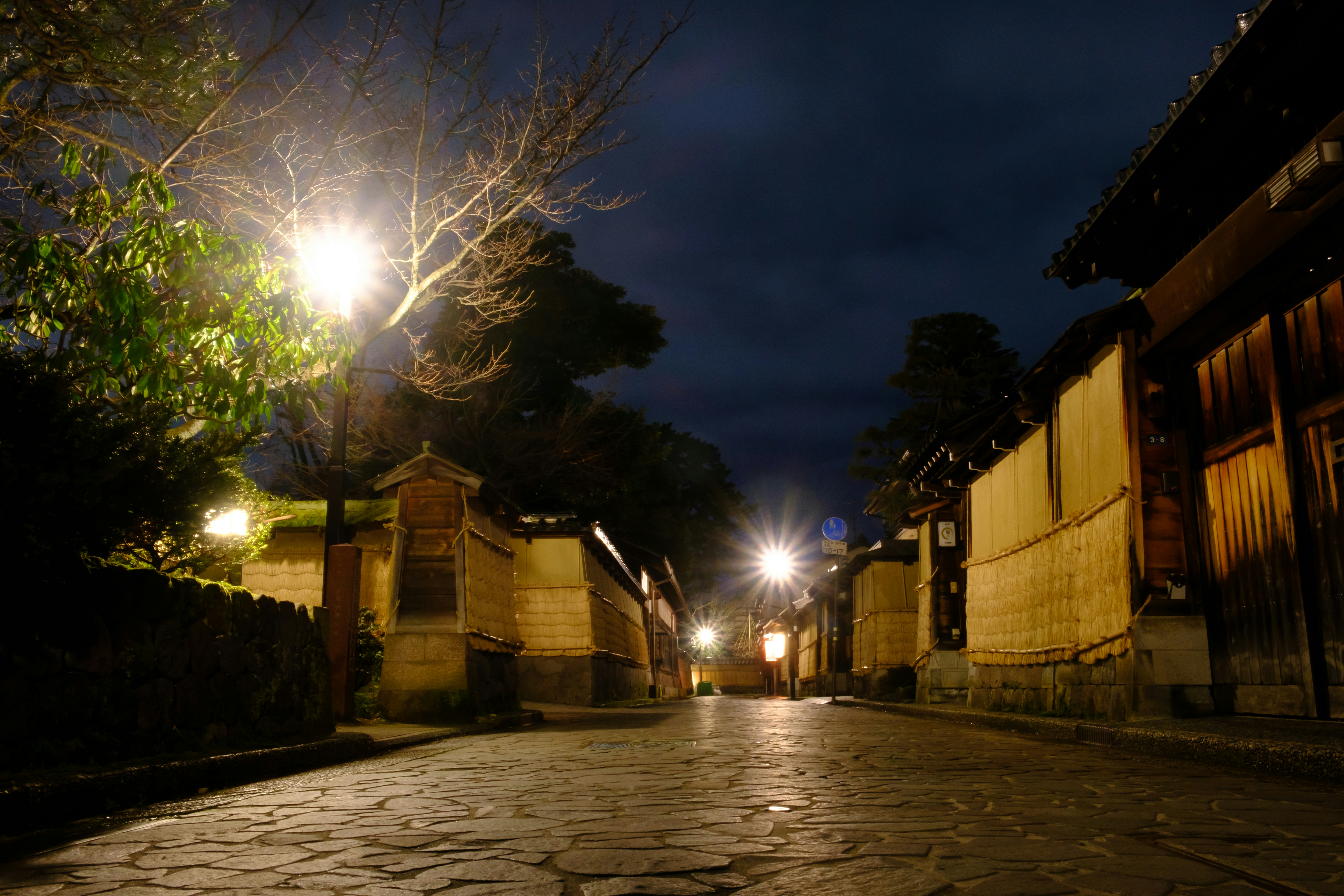
After dark, you should explore Higashi Chaya, the Geisha districts, hear the tales of what actually went on in this district during the Edo period.
Day 11
Shirakawago & Gokayama
Today you will visit Shirakawago & Gokayama.
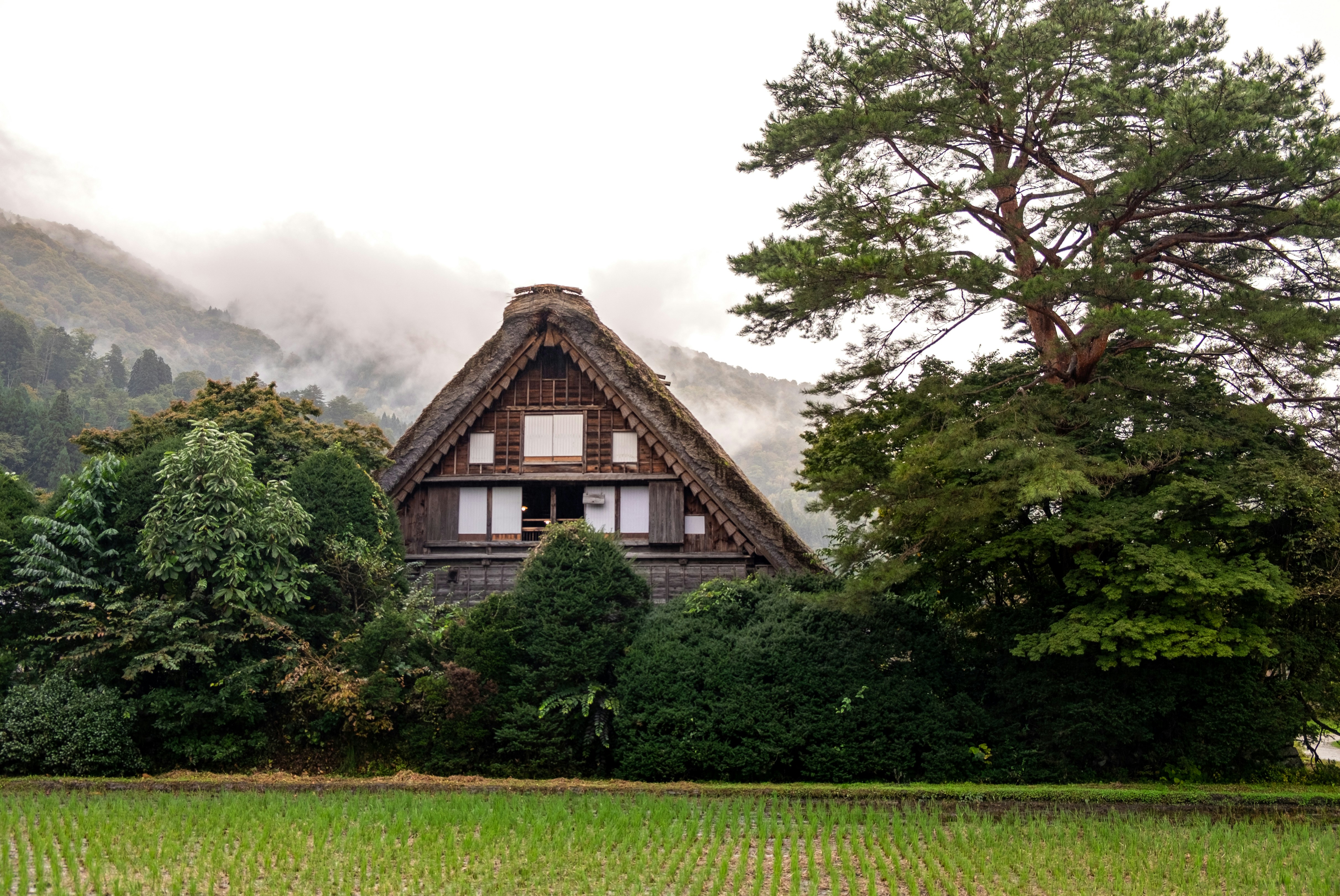
The Shirakawa-go (白川郷, Shirakawagō) and neighboring Gokayama (五箇山) regions line the Shogawa River Valley in the remote mountains that span from Gifu to Toyama Prefectures. Declared a UNESCO world heritage site in 1995, they are famous for their traditional gassho-zukuri farmhouses, some of which are more than 250 years old.
Gassho-zukuri means “constructed like hands in prayer”, as the farmhouses’ steep thatched roofs resemble the hands of Buddhist monks pressed together in prayer. The architectural style developed over many generations and is designed to withstand the large amounts of heavy snow that falls in the region during winter. The roofs, made without nails, provided a large attic space used for cultivating silkworms.
Day 12
Kanazawa / Tokyo
Breakfast at the hotel.
If not done the day before, visit some must see places in Kanazawa.
- Omicho Market
- 21st Century Museum of Contemporary Art
- Kenrokuen Garden
Then in the afternoon, you will board the shinkansen to Tokyo, where a car will be waiting for you.
Day 13
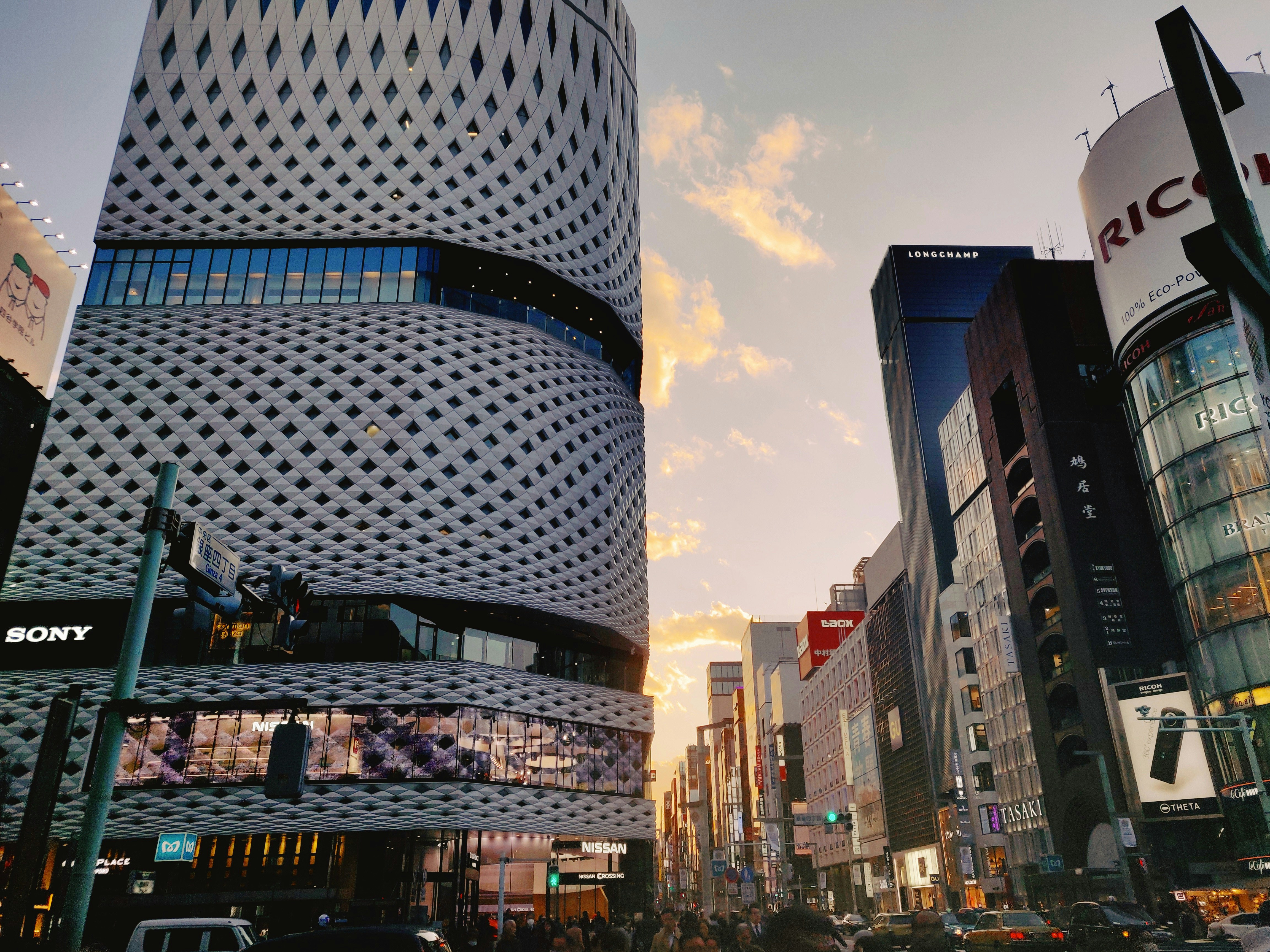
Tokyo
Spend your last days to enjoy shopping.
Tokyo is a shopper’s paradise with several famous shopping districts selling everything from the latest fashions, delightful souvenirs and advanced electronics to fresh food produce, home interior goods, kitchenware, and toys.
Whether it’s bargain goods or high end brands, there is a store in Tokyo that has what you are looking for.
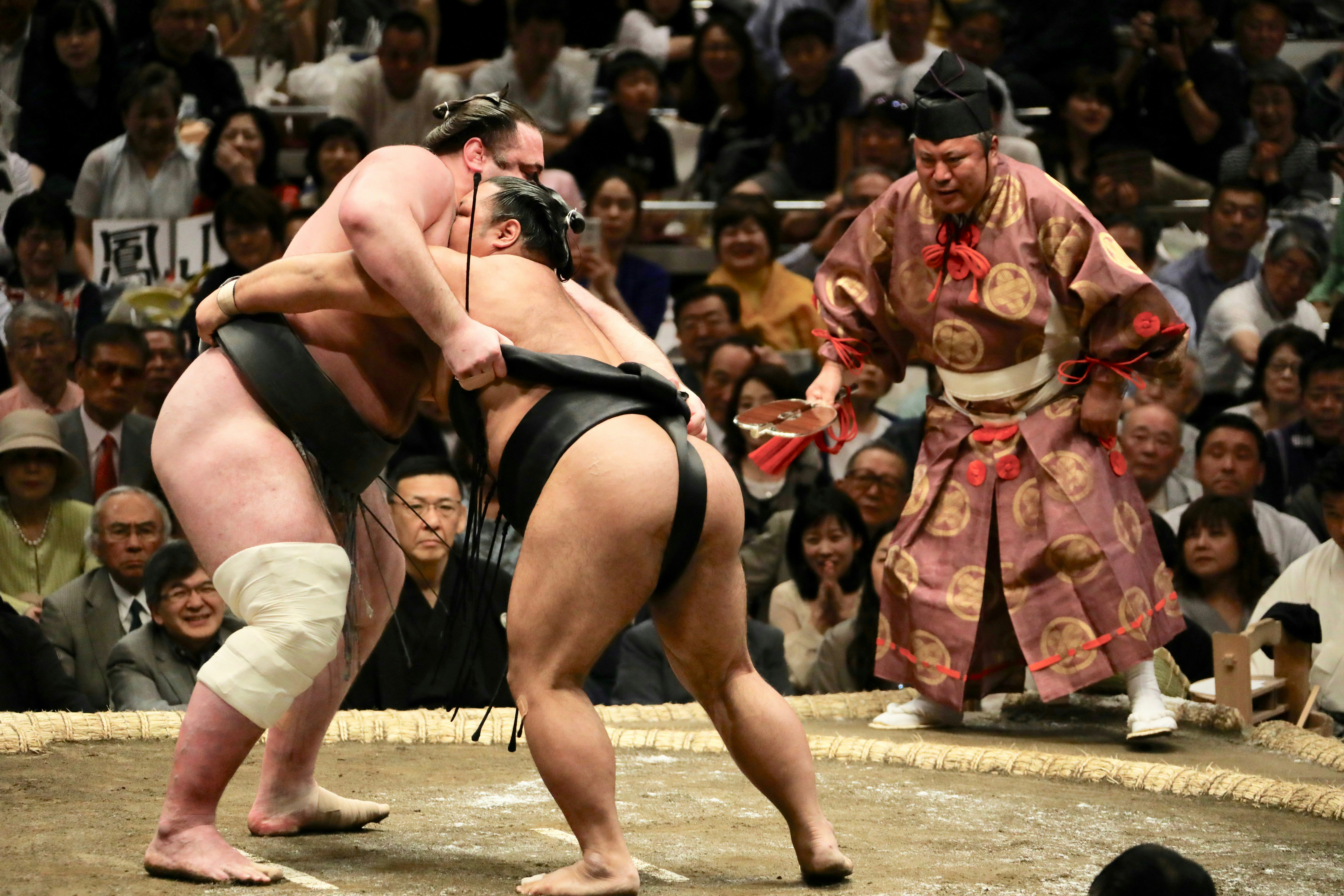
Watch Morning Training at a Tokyo Sumo Stable
With this Sumo training tour discover the Japanese form of wrestling with deep origins in legend and history.
Sumo (相撲) dates back over 1,500 years. Ancient wall paintings suggest sumo was performed in prehistoric times as part of agricultural rituals for the kami (gods) to determine the success of farmers’ crops.
Also several stories exist of sumo matches being held in the seventh and eighth centuries as part of Imperial court ceremonies.
In 1909, sumo was established as the national sport of Japan and the first permanent sumo hall was built in the Ryogoku area, with now Kokugikan, the fourth built in Tokyo, which has been in use since 1985.
Today sumo is a widely popular form of professional entertainment.
Join us to visit a sumo stable or beya, where rishiki (sumo wrestlers) live, eat, sleep and train throughout their career.
Day 14
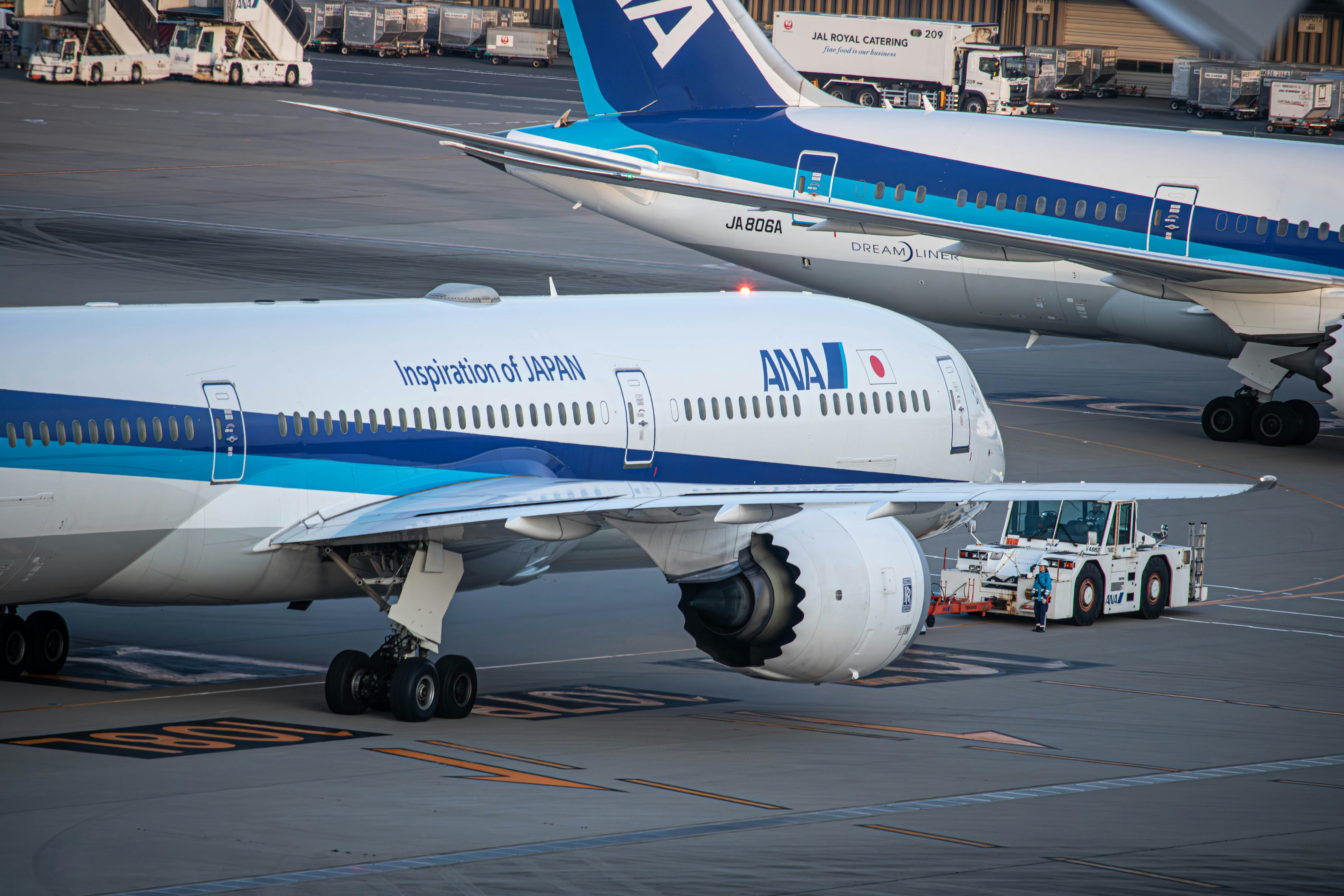
Final Day
Breakfast at the hotel.
Today your journey ends.
Transfer by private car to the international airport for your flight back home.
We hope you had a good time with us and that we’ll see you again.